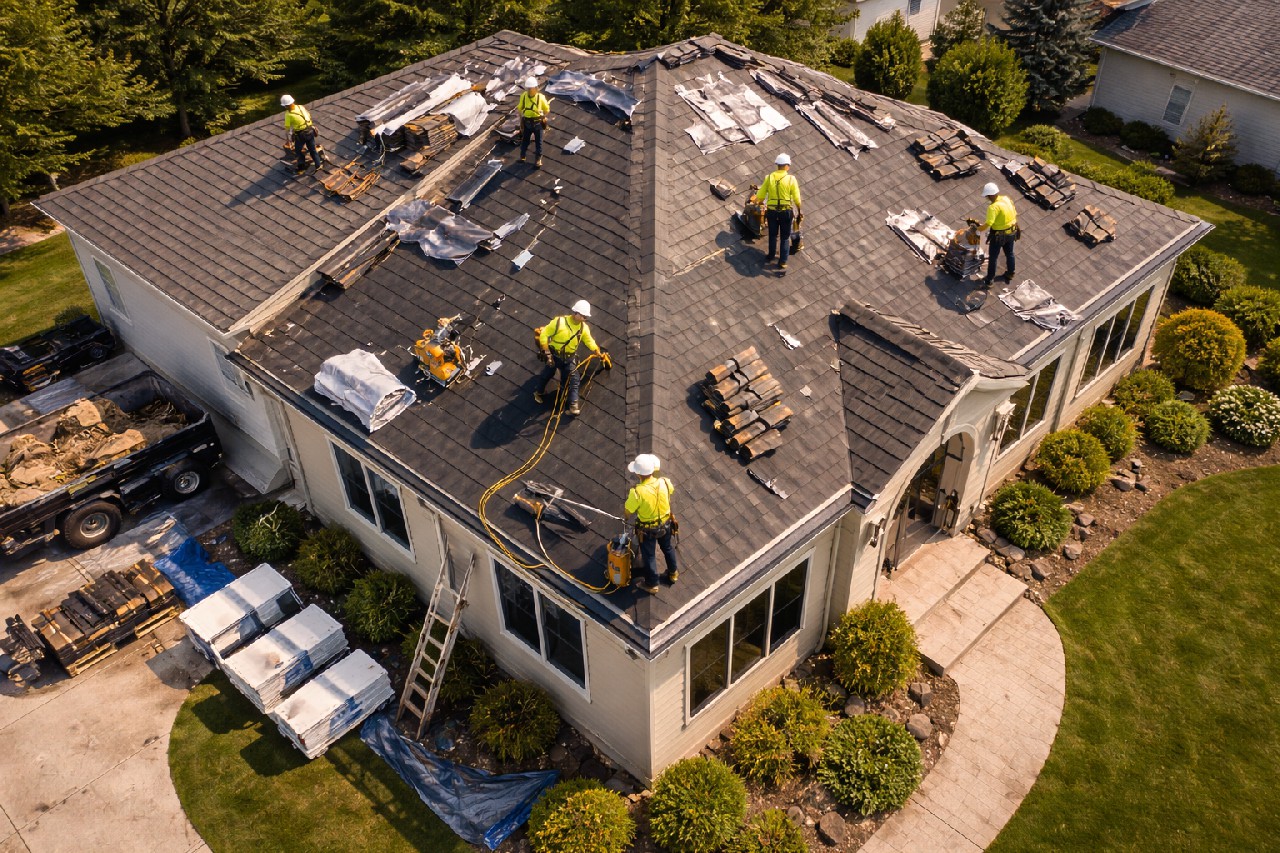


⚡ TL;DR: Discover five Asphalt Shingle Roof Installation hacks that Durham locals favor to boost wind resistance, storm protection, airflow, and leak-proof durability in local weather.
📋 What You’ll Learn
In this guide to asphalt shingle hacks Durham locals swear by, you'll uncover pro tips for durable, weather-resistant roofs built to handle wind, rain, humidity, and leaks in our local climate.
- Master starter strip secrets for wind-resistant edges that secure shingles against Durham gales and prevent costly blow-offs during stormy seasons.
- Discover optimal ice and water shield placement to shield roofs from humid summer storms, ensuring superior protection where leaks start.
- Perfect nailing patterns that lock shingles tight, battling heavy rains and extending roof life in North Carolina's wet weather.
- Unlock ridge vent tricks for enhanced airflow, combating our sticky climate to reduce heat buildup and shingle wear.
- Upgrade underlayment strategies for leak-proof longevity, drawing from real Durham installs that outlast standard setups.
📖 Reading time: 7 min
✍️ Author expertise: Durham roofing pro with 20+ years installing asphalt shingles amid local winds and storms.
Ever stare up at your roof after one of those brutal Durham downpours, heart sinking as water pools right where it shouldn't?
You're not alone. Local homeowners swear by these five asphalt shingle hacks that turn shaky installations into bulletproof shields against our humid summers and wild winds.
These aren't fancy tricks from out-of-town experts. They're battle-tested secrets Durham roofers use every day to make asphalt shingle roofs last longer and cost less to maintain.
Ready to steal them for your own place? Let's dive right in.
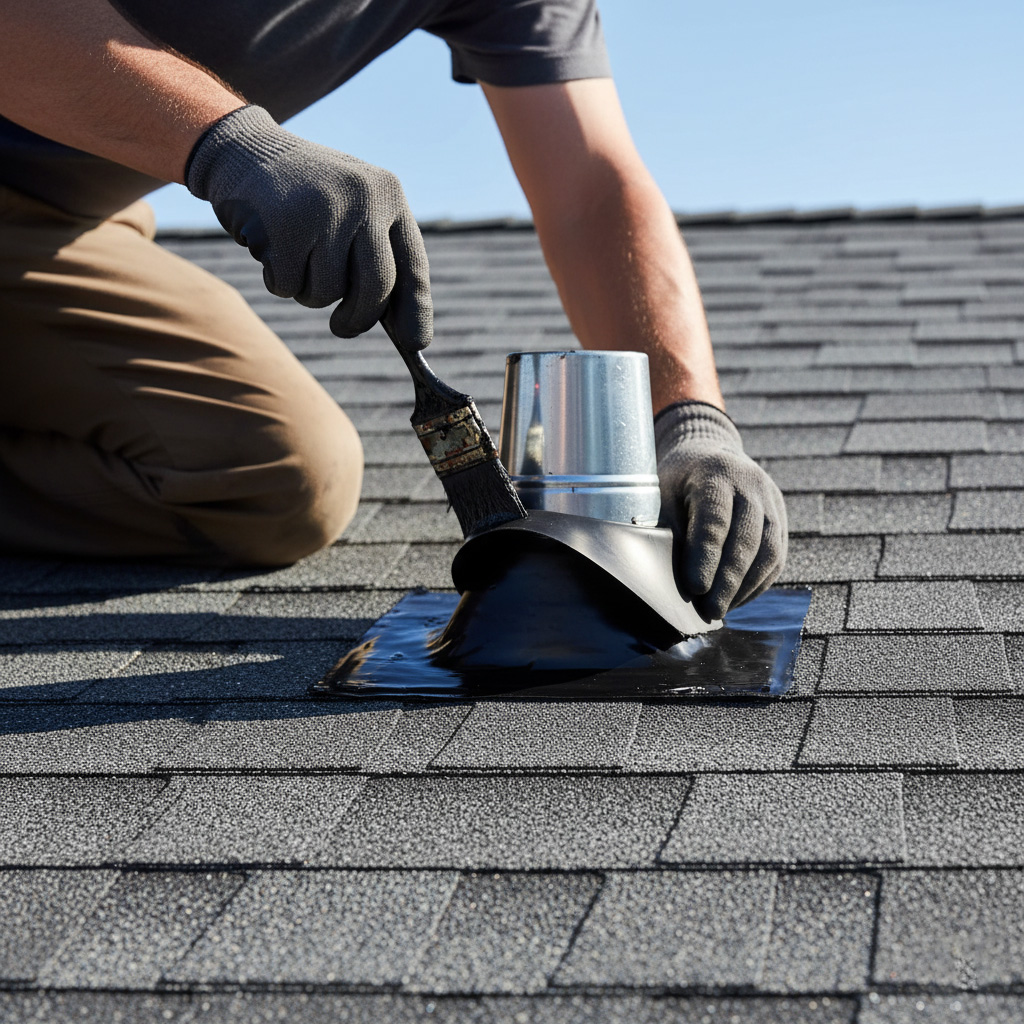
Hack #1: Starter Strip Secrets for Wind-Resistant Edges in Durham Gales
Durham's gusty winds can rip shingles off like paper if your edges aren't locked down tight. The starter strip is your first line of defense. Get this wrong, and you're inviting leaks and early repairs.
Skip the basic approach. Use high-traction starter shingles with a full adhesive strip. Lay them upside down along the eaves, overlapping by 2 inches for a seamless seal against those howling gales.
- Extend the starter 1/4 inch beyond the drip edge. This blocks wind-driven rain from sneaking underneath.
- Seal every seam with roofing cement. Press down hard - no gaps allowed.
- Pro tip: In high-wind zones near Duke University, double-nail the strip with 1.25-inch galvanized nails spaced 8 inches apart.
Local crews swear this setup holds through 70 mph blasts. Your roof stays put, and you dodge those nightmare callouts after a storm.
Hack #2: Ice and Water Shield Placement to Beat Humid Summer Storms
Durham's summer storms hit hard with relentless rain that soaks everything. Skip the basic felt underlayment. Grab ice and water shield instead, that self-sealing rubberized membrane that bonds tight under shingles.
Place it right, and it stops water from sneaking under your edges during those gully-washers. Most folks slap it only on eaves. Big mistake.
Prime Spots for Max Protection
- Eaves and gutters: Run it 6 feet up from the edge. Locks out wind-driven rain.
- Valleys: Full 36-inch coverage. No shortcuts here, or leaks will own you.
- Chimney and vents: 12 inches past all sides. Seals those sneaky intrusion points.
- Rake edges: Along the sides too, fighting those sideways blasts we get.
Pro roofers in Durham layer it like armor. It grips nails and flows into gaps, turning your roof into a fortress. Lasts decades without a whimper.
One client ignored this hack. Storm hit, water invaded. We fixed it fast with proper shield. Saved thousands. Don't wait for the flood.
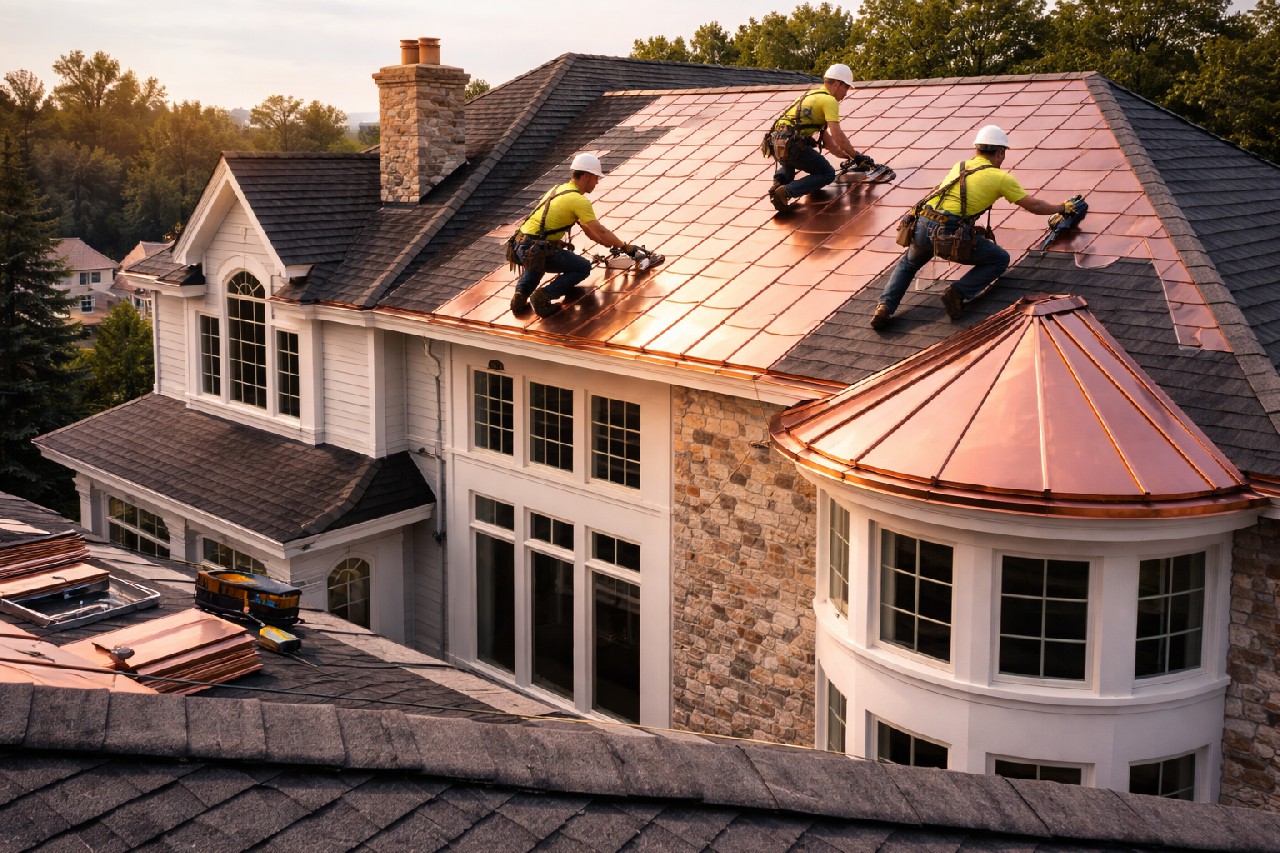
Hack #3: Nailing Patterns That Lock Shingles Tight Against Heavy Rains
Picture this: a monster rainstorm hits Durham, winds whipping at 50 mph. Your shingles lift like sails because some hack nailed them with just four nails apiece. Wrong move.
Pros here swear by the six-nail lockdown. It clamps every shingle down so tight, water sheets off without a whisper of lift.
Where to Hammer for Max Grip
- Drive nails 1 inch from each end of the shingle.
- Space the other four 5 to 6 inches apart across the top edge.
- Hit 'em straight, at least 1 inch above the sealant strip. No skimping.
This pattern turns your roof into a fortress. Shingles won't budge, even when Eno River floods turn skies black.
Skip the cheapo nails too. Go for galvanized, 1.25-inch roofing nails with wide heads. They bite deeper, hold forever against our pounding rains.
Test it yourself next install. You'll see leaks vanish, insurance claims plummet.
Hack #4: Ridge Vent Tricks for Better Airflow in Our Sticky Climate
Durham's muggy air turns attics into sweatboxes. Poor ventilation traps heat and moisture, rotting rafters and curling shingles fast.
Here's the fix roofers swear by: install continuous ridge vents right along the peak. They pull hot air out like a chimney, keeping your roof cool and dry.
Pro Placement Tips
- Pair ridge vents with soffit intakes. No good sucking air from nowhere.
- Leave a 1.5-inch gap under the ridge cap shingles. Seal edges tight with roofing cement.
- Skip those cheap plastic ones. Go metal or vented foam for our wind-whipped ridges.
One Durham crew tested this on a sticky summer job. Attic temps dropped 30 degrees. Shingles stayed flat, no more blistering.
Bonus hack: Cut vents 24 inches from ends. Lets edge shingles lock down without gaps.
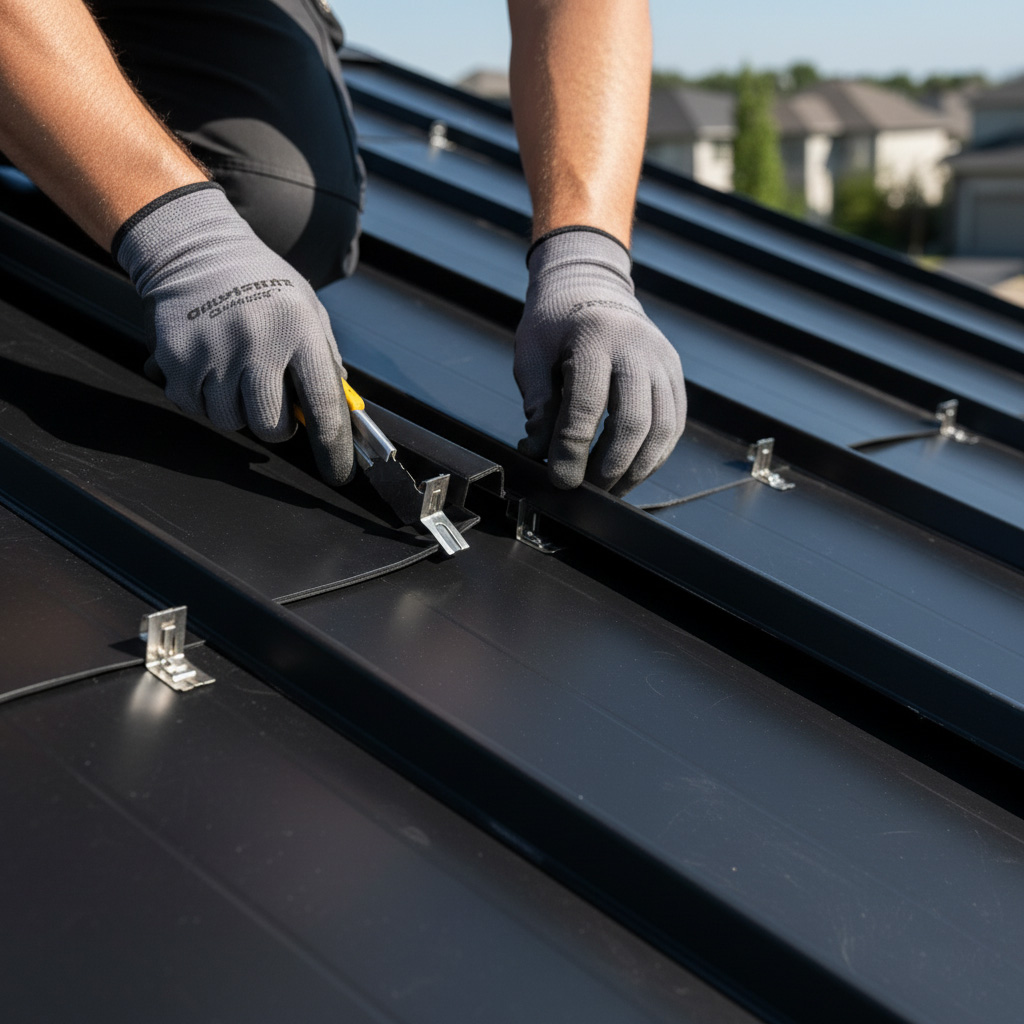
Hack #5: Underlayment Upgrades for Leak-Proof Longevity
Skip the cheap felt paper most big-box stores push. Go for synthetic underlayment instead. It breathes better, resists tears, and seals out water like a champ during Durham's endless rains.
Here's the real hack: Lay it over your entire roof deck, not just the edges. Proper overlaps – at least 6 inches – create a waterproof blanket that shingles sit on top of.
- Choose UV-resistant brands rated for 90+ days exposure.
- Tape all seams with butyl tape for zero gaps.
- Pair it with ice-and-water shield in valleys for double defense.
Durham roofs with this upgrade laugh off leaks that wreck standard setups. Expect 20-30% longer life from your shingles. Your wallet stays happy, too.
Case Study: How We Saved a Durham Family's Roof from Total Failure
Picture this: the Johnsons in East Durham called us last summer, panicked. Their 15-year-old asphalt shingle roof was buckling after a freak thunderstorm dumped six inches of rain overnight. Leaks everywhere, shingles flying off like confetti.
We showed up fast. Inspected the mess. Turns out, the original crew skipped proper starter strips and nailed like amateurs. No ice and water shield. Zero ridge venting. A disaster waiting to happen in our windy, wet weather.
What We Did Differently
- Replaced edges with wind-resistant starter strips, glued and nailed to spec.
- Laid full ice and water shield over the whole roof deck, not just edges.
- Used six-nail patterns on every shingle for lockdown against heavy downpours.
- Installed upgraded ridge vents for killer airflow, sucking out that sticky attic heat.
- Topped with premium synthetic underlayment for total leak protection.
Three days later? Roof transformed. No more pooling. No leaks. The Johnsons slept easy through the next gale.
Cost them half what a full tear-off would've. Now it's bulletproof for another 20 years. Proof these hacks work right here in Durham.
Final Thoughts
These five hacks aren't just theory. Durham roofs we've fixed with them stand tall through gales and downpours that flatten others.
Picture your home leak-free next storm season. Skip the guesswork. Grab a pro who knows these moves cold.
- Starter strips nailed right beat wind uplift.
- Ice shields in key spots crush summer storms.
- Smart nailing locks out heavy rain.
- Ridge vents fight attic sweat.
- Top underlayment seals the deal for decades.
Want these on your roof? Check our Asphalt Shingle Roof Installation services. Call today. Your roof will thank you.
People Also Ask
What are the best starter strip techniques for wind-resistant asphalt shingle roofs in Durham?
Using a high-quality starter strip with proper overhang and sealed edges creates a strong foundation against Durham's gales. Install it upside down along eaves for better adhesion and wind uplift resistance. Local roofers swear by this hack to prevent shingle blow-offs during stormy seasons.
How do you place ice and water shield to protect against Durham's humid summer storms?
Apply ice and water shield along eaves, valleys, and penetrations, extending at least 6 inches inside walls for full coverage. In Durham's sticky climate, this self-sealing membrane prevents water infiltration from wind-driven rain. It's a must for asphalt shingle installs to avoid costly leaks.
What's the ideal nailing pattern for asphalt shingles in heavy rain-prone areas like Durham?
Follow a 6-nail pattern with nails 1-2 inches above the sealant strip and 1 inch from edges for maximum hold. Clip the top of the shingle below for interlocking strength against heavy downpours. Durham locals love this technique for roofs that stay secure year-round.
Why are ridge vent tricks essential for asphalt shingle roofs in Durham's sticky climate?
Ridge vents installed with proper soffit intake allow hot, humid air to escape, reducing moisture buildup and shingle damage. Use continuous ridge venting capped with laminated shingles for seamless airflow. This hack extends roof life in our humid Carolina summers.
What underlayment upgrades make asphalt shingle roofs leak-proof in Durham?
Upgrade to synthetic underlayment or high-temp ice and water shield over the entire deck for superior breathability and tear resistance. Avoid felt paper in humid areas like Durham to prevent mold and rot. These enhancements ensure longevity against our frequent rains and humidity.

Durham Roofing provides expert roofing services for homes and businesses throughout Durham, NC. With extensive experience in installations, repairs, and maintenance, the team addresses local weather challenges effectively. Deeply rooted in the Durham community, Durham Roofing focuses on durable solutions and attentive service.
Need Roofing?
Fast roof repairs and replacements in Durham, NC and nearby areas deliver weatherproof protection for your home. (27701, 27703, 27705, 27707, 27713)
Get Roof Quote